

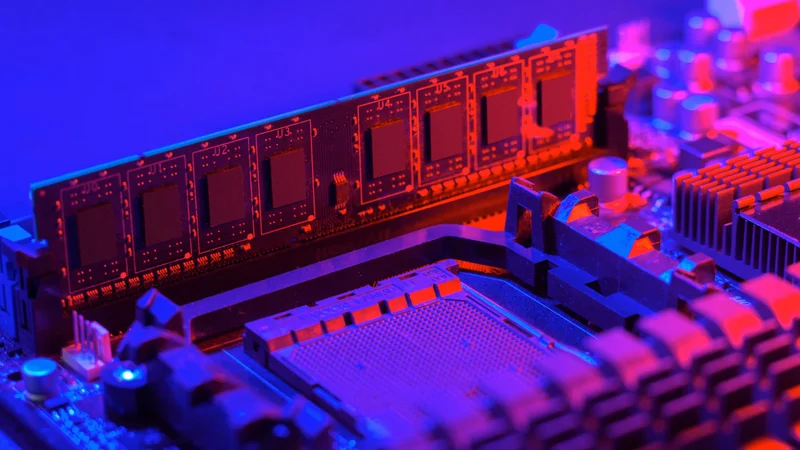
A slow system does not always fail loudly. Sometimes it fails as a cart that spins, a bank alert that arrives too late, or a fraud rule that catches the bad charge after the customer has already called. In Memory Computing matters because it moves active data closer to the work that needs it, which can cut the wait caused by repeated disk reads. For American companies handling payments, retail orders, logistics updates, patient portals, ad bidding, or factory sensor streams, that speed is not a luxury feature. It changes what the business can promise. Real time data processing works best when the system can read, enrich, decide, and respond while the moment still matters. IBM describes real-time analytics as systems built to ingest data instantly and often tied to event-driven design and memory-based processing. That is the point: memory is not only faster storage. It becomes the working floor where decisions happen before the customer feels delay. For teams comparing data platforms, enterprise data architecture planning should begin with latency, not software fashion.
Why Memory-First Design Changes the Shape of Speed
Most performance problems are not born in the processor. They are born in the trip. Data leaves one place, waits for another service, touches disk, waits again, and then returns with an answer that may already be stale. A memory-first design cuts that trip down. It keeps hot data where the application can act on it fast, which helps low latency analytics feel less like a dashboard and more like a reflex.
The Old Bottleneck Was Distance, Not Math
A checkout system may have enough compute power to run a fraud score, check inventory, apply a coupon, and confirm payment. The drag comes from asking too many faraway systems for answers. Each call may look harmless. Together, they turn a two-second sale into a broken session.
That is why RAM-first platforms often feel faster than their hardware budget suggests. They remove repeated travel. IBM Research describes one core idea behind memory-centered computing as reducing the cost of moving data back and forth between processing and memory units. The non-obvious lesson is simple: the smartest algorithm may lose to the shorter path.
Think about a U.S. grocery chain during a Sunday coupon rush. The app has to check loyalty rules, store-level stock, payment risk, and delivery windows. If each step waits on a separate disk-backed lookup, the customer sees lag. If the active values sit in memory across a distributed memory architecture, the system can answer while the shopper is still tapping.
Real Speed Means Predictable Speed
Teams often brag about average response time. Customers do not feel the average. They feel the ugly outlier, the one request that lands during a spike and stalls.
This is where low latency analytics becomes practical. A bank can scan card activity while the purchase is being approved. A sports betting platform can adjust odds during a live game. A warehouse routing system can redirect pickers before the next aisle gets crowded. Those use cases do not need “fast enough later.” They need fast now.
The counterintuitive part is that memory-first systems can make engineering calmer, not more reckless. When active data is closer to the logic, teams can reduce duplicate indexes, side caches, and emergency shortcuts that grow into a mess. Oracle says its Database In-Memory approach can run analytics on operational data in real time without harming transaction work, and can reduce some reporting-index overhead. Less waiting can also mean fewer fragile workarounds.
In Memory Computing Architecture Benefits for Business-Critical Applications
Speed alone is a weak business case. A toy demo can be fast. The stronger case is what happens when speed, freshness, and workload pressure meet inside a real company. Good architecture helps teams make decisions inside the same window where the event still has value.
Fraud, Pricing, and Inventory Need Fresh Context
A fraud model is only as useful as the context it sees. A card swipe in Phoenix may look fine alone. Add the last ten minutes of behavior, device history, merchant risk, and account pattern, and the answer changes.
That context has to arrive fast. In a disk-heavy pattern, the system may pull historical values from one place, session data from another, and risk rules from somewhere else. By the time it builds a complete picture, the payment network is waiting. A memory layer can hold the active pieces and let the application score the event while approval is still in motion.
Retail has the same pressure. A national apparel seller may run a flash sale after a celebrity posts a jacket. Real time data processing lets the site adjust stock visibility, shipping promises, and cart limits while demand is still moving. Without it, the company may sell items it cannot ship. The damage shows up as refunds, support tickets, and angry TikTok comments.
The Best Use Cases Are Often Boring
The flashy examples get attention, but the most profitable wins may be plain. Call-center routing. Claims triage. Delivery ETA updates. Energy load balancing. These are not glamorous, yet they decide whether a customer trusts the company.
A health insurer in the U.S., for example, may need to check member status, plan rules, prior authorizations, provider contracts, and claims history during a support call. If the agent waits through slow screens, the customer feels punished for needing help. A memory-first layer can keep active records ready, so the agent spends less time watching a spinner and more time solving the issue.
That is not only a technology gain. It changes behavior. When internal tools respond faster, employees stop building shadow spreadsheets and side processes. The quiet benefit is control. Faster official systems pull work back into the place where it can be measured, secured, and improved.
How Distributed Memory Architecture Supports Scale Without Chaos
Once data sits in memory, the next question is risk. What happens when the workload grows? What happens when a node fails? What happens when one region gets slammed while another is calm? A distributed memory architecture answers those questions by spreading active data across a cluster instead of trapping it inside one machine.
One Big Server Is Not a Strategy
Buying a larger server can work for a while. Then the busy season comes. Or a new product line arrives. Or the team adds a machine learning feature that reads more context per request. The single box becomes a ceiling.
A cluster changes the shape of that ceiling. It partitions data across machines, keeps copies where needed, and lets work run closer to the partition that owns the data. Apache Ignite describes itself as a distributed database for high-velocity applications that need memory-speed performance and can scale across memory and disk. That mix matters because few serious systems can live on RAM alone.
Picture a U.S. airline during a winter storm. Rebooking, crew scheduling, gate changes, seat maps, mobile alerts, and loyalty rules all move at once. A single hot database can buckle under that storm. A distributed memory architecture can spread the pressure, though it still needs careful partitioning and failure planning.
Consistency Choices Should Match the Moment
Not every data point deserves the same strictness. A bank balance needs firm consistency. A product recommendation can tolerate a short delay. A delivery map can be slightly stale if it updates again in seconds.
This is where many teams overbuild. They demand strict consistency everywhere, then wonder why their real-time goals fall apart. Better design starts by sorting data by consequence. What must never be wrong? What can be close? What can be rebuilt from an event log?
Hazelcast describes capabilities such as distributed caching, memory compute, stream processing, and flexible consistency choices. The important part is not the product name. It is the design habit. Strong systems do not treat all data with the same weight. They give each decision the amount of certainty it deserves.
For real-time analytics implementation, that habit can save months of pain. You do not tune your way out of the wrong consistency model. You redesign the path.
Where Real Time Data Processing Delivers the Most Value
Some workloads are poor matches for memory-first systems. Cold archives, slow compliance reports, and rarely touched records do not need the cost of RAM. The best candidates are active, repeated, time-sensitive, and tied to a user or machine action.
Event Streams Become More Useful When They Meet State
A raw event stream tells you what happened. State tells you what it means. The power appears when the two meet quickly.
Take a logistics company moving packages across Dallas, Chicago, and Atlanta. A scan event says a parcel reached a hub. That is helpful, but not enough. The system also needs truck capacity, weather delay rules, customer promise windows, and labor availability. When that state is already warm in memory, the platform can update ETAs and routing decisions without waiting for a batch job.
Hazelcast says stream processing jobs can be distributed across a cluster to handle large data volumes, with memory storage used for computation results. In plain terms, that means the system can keep listening while it keeps deciding. Low latency analytics becomes part of operations, not a report someone opens at 9 a.m.
The Cost Question Is About Waste, Not RAM Alone
RAM costs more than disk. That part is obvious. The mistake is stopping the math there.
Slow systems also cost money. They need more retries, more duplicate services, more support staff, more apology credits, more abandoned carts, and more manual cleanup. A memory-first platform may look expensive on a cloud bill, while the old system hides its cost in failed moments.
Still, discipline matters. Keep only hot data in memory. Tier colder data to disk or object storage. Use expiration rules. Measure which keys are read often and which sit untouched. Apache Ignite’s material on multi-tier design points to memory, disk, and other active storage tiers working together rather than pretending one medium should do every job.
The best architecture is not “put everything in RAM.” That is a budget fire. The better rule is sharper: keep the decision window in memory, and let history live where history belongs.
Conclusion
Fast data has become part of the product, even when customers never see the database behind it. A shopper judges it through cart speed. A driver judges it through ETA accuracy. A patient judges it through a portal that either answers or stalls. The deeper lesson is that architecture shapes trust. In Memory Computing gives American teams a way to act on active data while the moment still matters, but it works best when paired with clean event design, smart tiering, and honest consistency choices. It is not a magic fix for weak models or messy data ownership. It is a way to remove one of the oldest sources of delay: distance between data and action. Companies that win with this approach will not be the ones chasing speed for bragging rights. They will be the ones using speed to make better promises and keep them. Start by finding one painful workflow where seconds change the outcome, then design backward from that moment.
Frequently Asked Questions
How does memory-first architecture improve application response time?
It keeps active data closer to the application logic, so the system makes fewer slow trips to disk or remote services. That can reduce wait time during checkout, fraud checks, routing, recommendations, and live dashboards where a delayed answer loses value.
Is RAM-based processing safe for business data?
It can be safe when designed with replication, persistence, backups, and recovery rules. RAM is volatile, so serious platforms often pair memory speed with disk durability and clustered copies. The safety depends on architecture, not memory alone.
What types of companies benefit most from low latency analytics?
Banks, retailers, logistics firms, healthcare platforms, ad tech companies, gaming platforms, utilities, and travel brands often benefit. The common thread is time-sensitive action. When a decision must happen while the user or machine is still active, latency matters.
Is this architecture only for large enterprises?
No. Smaller teams can use managed caches, memory grids, or cloud services for focused workloads. The key is scope. A mid-size ecommerce store may not need a huge cluster, but it may benefit from faster inventory, cart, or personalization data.
What data should stay in memory?
Hot, repeated, time-sensitive data belongs there. Examples include sessions, fraud signals, current inventory, live pricing, device status, active user profiles, and recent events. Cold history, audits, and rarely opened records usually belong in cheaper storage.
Can memory-first systems replace a normal database?
Sometimes, but often they support the main database rather than replace it. Many companies use memory for speed and keep a durable database as the system of record. That split can work well when ownership and recovery rules are clear.
What is the biggest mistake teams make with real-time platforms?
They try to make every workload real time. That raises cost and complexity without improving the business. A better approach is to find moments where speed changes revenue, risk, safety, or customer trust, then optimize those paths first.
How should a team start planning this kind of system?
Start with one workflow and map the decision window. Identify which data must be fresh, which can be slightly stale, and which must be exact. Then test a small memory-backed design before moving core business traffic onto it.